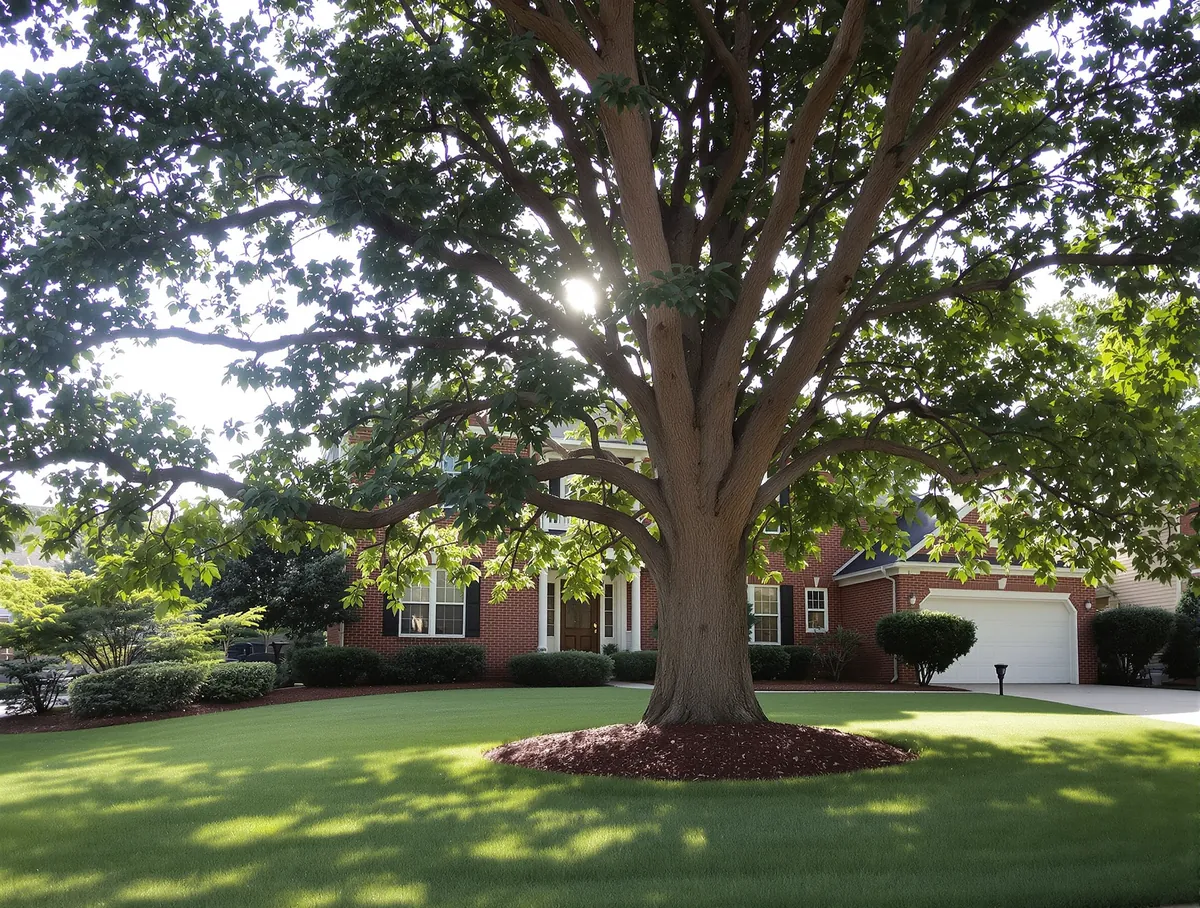
Pruning can remove dead branches, improve structure, create clearance around buildings or let more light through the canopy. We plan cuts around the tree’s condition and avoid damage to trunk tissue.
Dead branch removal
Structure and clearance
No climbing spikes on trees you keep
02
Tree health
Fertilization can be delivered into soil near roots, while tree injections introduce material directly into the tree. Construction and repeated traffic can compact the root zone, leaving less space for air and water. Aeration opens spaces in that ground; organic material can help keep them open.
Fertilization
Tree injections
Root-zone aeration
03
Support & protection
Cabling and bracing can support structural concerns. Lightning protection uses grounded conductors running from upper branches down the trunk and beyond the canopy. We consider the tree’s position and condition before discussing either service.
Cabling
Bracing
Lightning protection
Common questions
Questions about caring for your trees
Which trees may need lightning protection?
Isolated trees, trees on hills and the tallest trees in an area can be more exposed. Protection may also be worth discussing for a large tree close to a building or a tree you especially value.
Should climbing spikes be used to prune a tree we are keeping?
No. Climbing spikes can damage the trunk tissue of a living tree. For pruning a tree that will remain, the crew should use a method that avoids that injury.
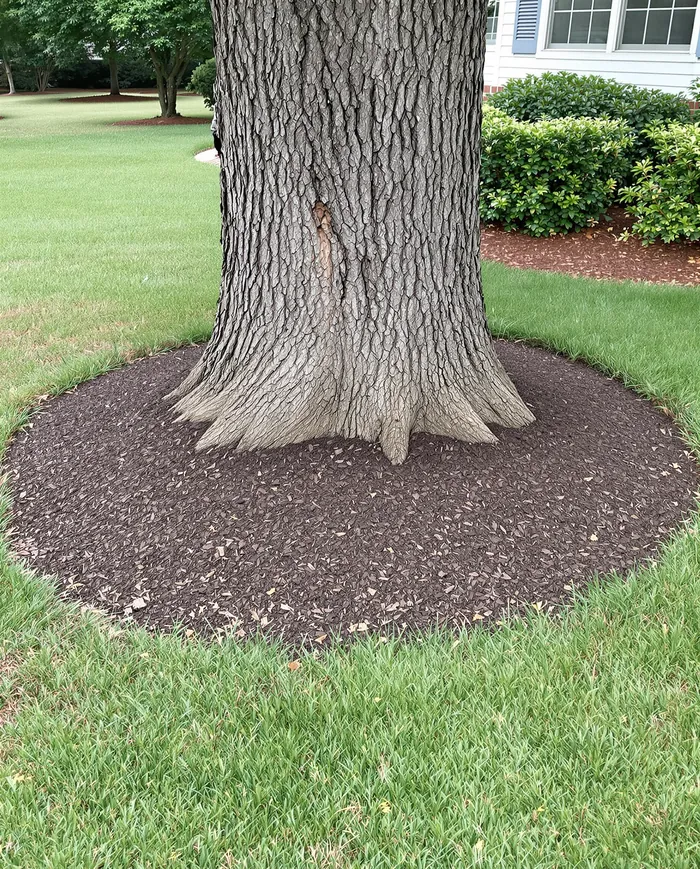
Can mulch help a tree?
Mulch can conserve moisture, reduce weeds and help moderate soil temperature around roots. Keep it clear of the trunk instead of piling it against the bark, where it can hold moisture against the tree.