
Tree removal in Cary: what happens to the wood and stump?
Planning tree removal in Cary? Decide whether to haul or keep the wood and chips, whether to grind the stump, and what to ask about cleanup and the ground left behind.
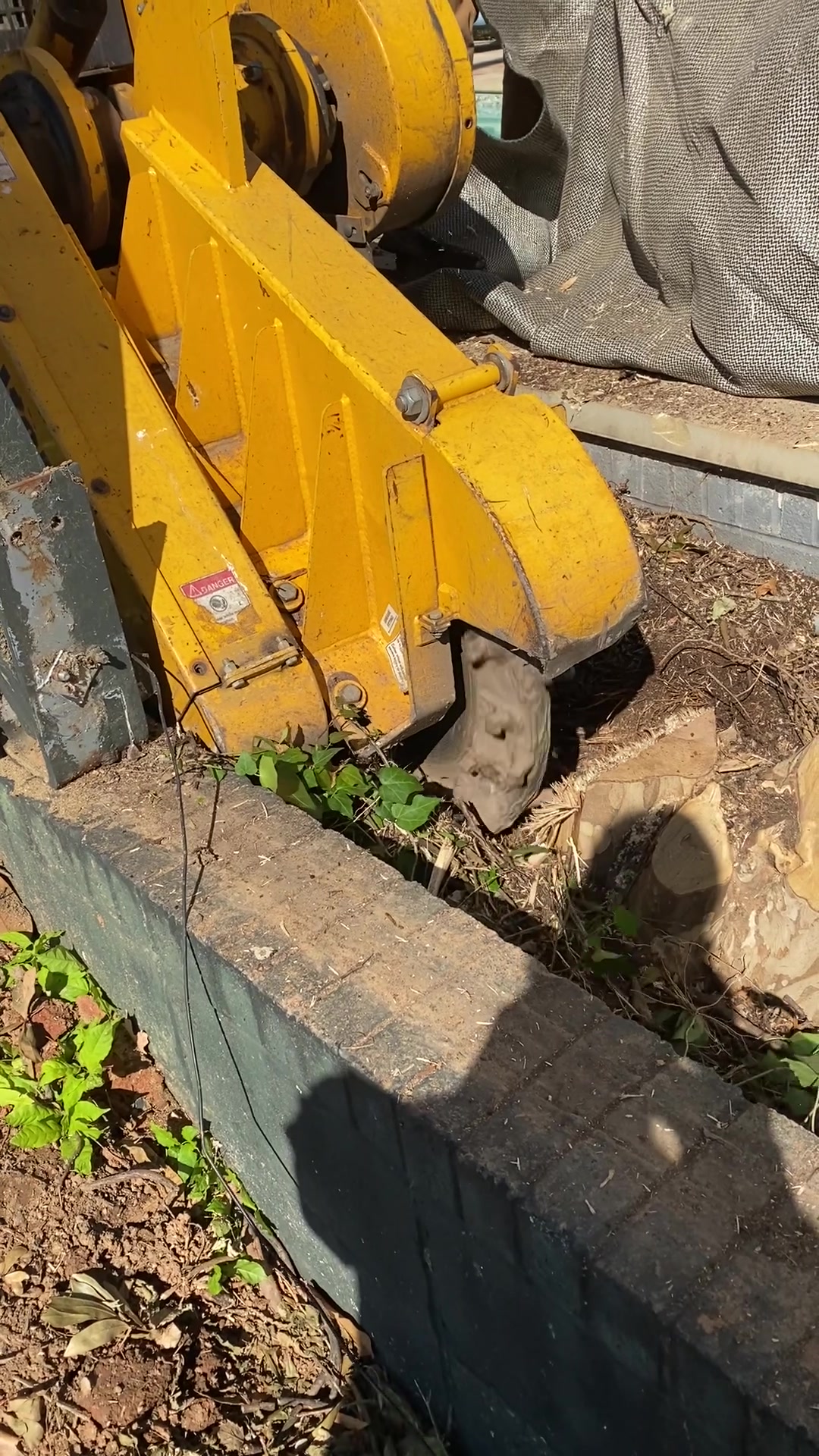
After tree removal in Cary, the wood, branches and stump each need a plan. Branches may be chipped, trunk wood can be hauled away or kept by agreement, and the stump can remain or be ground. The important part is choosing what you want before the work starts, because taking down the tree doesn't automatically include every step needed to finish the yard.
At Trees of Carolina, we do both tree removal and stump grinding. When you talk with us about your tree, tell us how you want to use the space afterward. A lawn, a mulch bed and a spot where you'll plant something new each call for different cleanup.
Plan tree removal in Cary around what you want to keep
Start with a simple question: do you want everything hauled away, or is there something you want to keep? A trunk can hold more wood than it looks like from the ground, and a crown can turn into a big pile of chips.
If you want material left behind, decide where it should go. A pile beside the driveway may block parking. Wood left by a fence may be difficult to reach with the equipment you plan to use later. Chips placed on the lawn can leave another job before you can mow or reseed.
Show us where you want it and what you plan to do with it. “Leave some firewood” is a useful starting point, but it needs details: which wood, how it will be cut and where it will be stacked or placed. Don't assume those steps are all part of the same service.
Branches and trunk wood are handled differently
Smaller branches can often go through a chipper. Larger trunk sections need other handling, such as cutting into manageable lengths and moving them with suitable equipment. The size and condition of the wood affect what can be done with it.
The route out of your yard matters after the tree is down, too. Wood behind a house may need to move through a gate or around garden beds. Large pieces can be awkward to turn and heavy to lift. Agree on the route out ahead of time so cleanup doesn't depend on space you can't actually use.
Keep children, pets and visitors away from the work area and material piles. A section that looks settled can roll when another piece moves. Don't begin collecting wood while the removal or equipment work is still underway; talk with us about when and where you can approach it.
Keeping the wood means more work after the tree comes down
Keeping trunk wood can make sense if you have the space and a use for it. It also means you'll handle whatever prep isn't part of the agreed job. Cutting rounds, splitting, moving and storing firewood are separate tasks.
Freshly cut wood generally needs drying before it's suitable for burning. The drying period depends on the species, piece size, storage and conditions. A pile of large rounds won't dry the same way as split wood stored with airflow. Don't treat newly cut logs as ready-to-use firewood.
Consider whether you can handle the pieces safely. Large rounds can weigh far more than you expect, and a whole trunk section may require equipment to move. If you're keeping wood for a specific project, discuss the required lengths before it is cut. Keep what you'll actually use, rather than holding onto all of it because hauling it away feels wasteful.
Chips can be useful if you have a place for them
Wood chips can serve as mulch in suitable planting areas. That doesn't make an entire chipper load the right amount for a small bed. Think about the area you want to cover and the work needed to spread the material.
Keep mulch away from direct contact with a tree trunk. Piling it against the bark holds moisture where it doesn't belong and can hide the root flare. A broad, sensible layer over a planting area is different from a deep mound around the base.
Fresh chips are also different from compost or topsoil. They don't replace the soil preparation needed for lawn repair. If you're keeping chips, agree on the drop location and whether the work includes spreading them. A pile left for you to use later is a different result from a finished bed.
What stump grinding does and doesn't do
Stump grinding uses a machine to chew the stump down into small pieces below the surface. What's left is a mix of wood fragments and soil. It gets the stump out of your way, but it doesn't pull the entire root system out of the ground.
Roots beyond the grinding area can remain. As buried wood decomposes, the ground may settle. How big the stump is and what you want to do with the spot both affect how we approach the grinding.
Access for the grinder needs its own check. Gates, steps, slopes and nearby structures can affect whether equipment can reach the stump. Known buried utilities, irrigation and other underground features should be identified before grinding. Tell us what you know is down there rather than assuming the tree removal already took care of everything underground.
You can read about our tree removal and stump grinding services together, then talk with us about whether grinding should be included in your job.
A ground stump isn't automatically a finished lawn
Grinding leaves a pile of material, and you'll need to decide what happens to it. Some may remain in the opening, or the scope may include removing it. Ask what will be left and who will handle the next step.
If your goal is grass, you may need excess grindings removed, appropriate soil added and the surface prepared before seeding. A deep layer of wood fragments is different from a stable soil base. Filling the area without considering the material underneath can lead to settling and another repair later.
If you're planning a garden bed, the finish may be different. If you want to plant another tree, discuss the location and the remaining roots before choosing the new planting spot. The old stump's exact position may not be the best place for the replacement.
Say what “finished” means to you. Grinding, hauling grindings, adding soil and restoring planting are separate scope questions. Ask for those choices in the estimate so you can see what's included.
You can also choose to leave the stump
Not every removal needs immediate stump grinding. You might leave a stump temporarily while you decide how to use the space. If you do, consider where it sits and who uses the area.
A stump in a lawn can interfere with mowing or create a trip obstacle. A stump in a planting bed may be easier to work around, but it will still decay over time. Some trees can produce new shoots after being cut, so leaving the stump isn't always the end of the maintenance.
If you may grind it later, keep access in mind before adding a fence, planting densely or changing the surrounding grade. Talk with us about the order of the work while we're planning the removal.
Ask these cleanup questions before work starts
For your Cary tree removal, make sure the written scope explains:
- Whether branches, trunk wood and chips will be hauled away or kept.
- Where any retained wood or chips will be placed.
- What cutting or handling is included for wood you keep.
- Whether stump grinding is part of the job.
- What happens to the grindings and what surface remains.
- Who handles soil, seeding or planting afterward.
Send us your address, photos of the tree and the space around it, and a short description of the result you want. Tell us if you're keeping firewood or chips and whether your next plan is grass, a bed or a new tree. Then we can talk through the removal and cleanup together and agree on what stays and what goes.